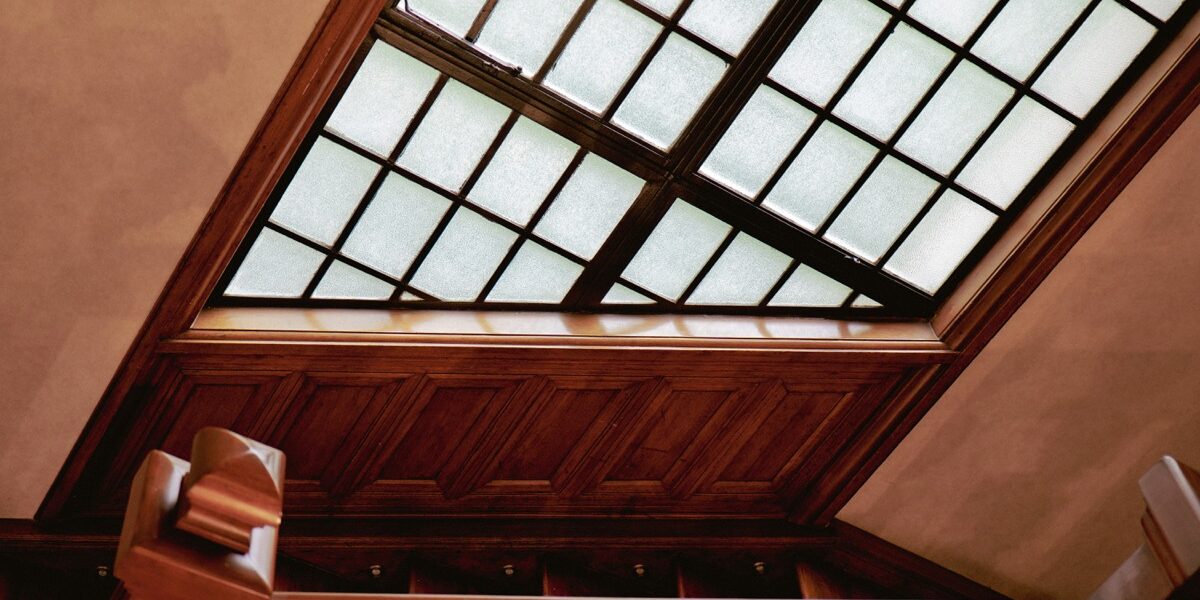
Box Newels and Square Balusters for Craftsman Staircases
Craftsman staircase details have gotten complicated with all the building code updates, millwork catalog options, and online renovation forum debates flying around. As someone who has built box newels and square balusters for Craftsman staircases ranging from modest bungalows to grand four-square homes, I learned everything there is to know about getting these details right. Today, I will share it all with you.
The staircase in a Craftsman home isn’t just a way to reach the second floor — it’s a statement of the design philosophy that defines the entire structure. Box newels and square balusters reject the ornate turnings of Victorian homes in favor of honest geometry and visible joinery. Getting these details right is essential for an authentic Craftsman interior.
The Philosophy Behind the Shape
Craftsman designers reacted against the machine-produced excesses of Victorian architecture. Where Victorian staircases featured elaborate turned balusters with multiple bulbous profiles, Craftsman builders chose simple rectangles that celebrated wood grain and honest construction.
Arts and Crafts principles: William Morris and Gustav Stickley advocated for designs that showed how things were made. Box newels reveal their construction — the panels, caps, and joinery are visible rather than disguised. That’s what makes Craftsman stairwork endearing to us millwork builders — the philosophy treats transparency as a virtue rather than something to hide.
Japanese influence: The straight lines and exposed joinery of Japanese architecture influenced Craftsman designers, particularly in California. Square profiles echo the clean geometries of Japanese temple construction in ways that feel natural in American homes.
Practicality: Square stock is easier to produce than turned pieces, making Craftsman staircases more economical while appearing more refined. The style proved that beauty didn’t require complexity or a lathe.
Box Newel Construction
A box newel is exactly what the name suggests — a hollow box rather than a solid post. This construction uses less material while creating a larger, more substantial appearance that grounds the staircase visually.
Basic structure: Four boards mitered at corners to form a square column. The hollow center can conceal structural posts, electrical wiring, or remain empty. Mitered joints demand precision but create seamless corners when executed properly.
Panel details: Authentic Craftsman box newels typically feature raised or flat panels on each visible face. These panels break up the mass and add visual interest without introducing curves or ornament that would contradict the style.
Cap assemblies: The newel cap — the top of the post — often features stepped moldings or pyramidal shapes. Multiple layers of wood stacked to create a geometric cap was a common Craftsman approach that I still find satisfying to build.
Base treatment: Where newels meet the floor, a separate base molding typically creates a wider footprint. This base might include a simple square plinth or stepped details echoing the cap proportions above.
Typical dimensions: Craftsman box newels range from 5 to 8 inches square, depending on the staircase scale and the home’s proportions. Larger homes warranted more substantial newels; bungalows used proportionally smaller versions. Getting this ratio right matters more than most people realize.
Square Baluster Design
Square balusters are simpler than box newels but equally important to the Craftsman aesthetic. Their uniformity and straight lines create rhythm along the staircase without visual complexity.
Standard proportions: Typical Craftsman balusters measure 1-1/4 to 1-1/2 inches square. Building codes require spacing no greater than 4 inches between balusters to prevent children from slipping through — this code requirement effectively sets the rhythm of the entire balustrade.
Chamfered edges: Many authentic Craftsman balusters feature chamfered corners — the edges cut at 45-degree angles. This detail softens the appearance while maintaining the rectilinear profile. Chamfers might run the full length or stop short of the ends for a more refined look.
Tapered variants: Some Craftsman designs taper balusters slightly — wider at the bottom, narrower at the top. This subtle variation adds visual interest while remaining true to the straight-line aesthetic that defines the style.
Groupings: Rather than evenly spacing individual balusters, some Craftsman designs group them — pairs or triplets with wider gaps between groups. This approach requires careful code compliance calculations but creates distinctive patterns worth the extra planning.
Wood Selection
Craftsman builders chose specific woods for their visible structural elements, selecting species for both appearance and durability.
Quarter-sawn white oak: Probably should have led with this section, honestly. Quarter-sawn oak is the quintessential Craftsman wood. Quarter-sawing reveals the medullary rays as distinctive flecks across the grain, creating visual interest that painted softwoods can’t match. Oak’s hardness also resists the wear staircases endure over decades of daily use.
Douglas fir: Common in West Coast Craftsman homes, fir offers straight grain and warm color at lower cost than oak. It stains well but is softer, making it more susceptible to dents from shoes and furniture moving.
Mahogany: Used in higher-end Craftsman homes, mahogany’s rich color and excellent workability made it the luxury choice. Original mahogany pieces remain in excellent condition a century later, which tells you everything about the species.
Painted options: Not all Craftsman staircases featured natural wood. Painted newels and balusters in white or cream appeared in some homes, particularly those with Colonial Revival influences or lighter interior schemes.
Building to Code
Modern building codes address staircase safety, and any new or renovated Craftsman staircase must comply while maintaining authentic appearance.
Handrail height: Code requires handrails between 34 and 38 inches above the stair nosing. This constrains baluster height and affects proportions throughout the assembly.
Baluster spacing: The 4-inch sphere rule prohibits gaps that allow a 4-inch sphere to pass through. This prevents children from getting stuck or falling through balusters — a non-negotiable safety requirement.
Graspability: Handrails must meet graspability requirements — specific profiles that can be properly gripped during a fall. Wide flat rails on some original Craftsman staircases don’t comply with current codes, which creates challenges for authentic restoration.
Structural requirements: Newels must resist specified horizontal loads without deflection. Box newel construction typically exceeds these requirements, but the connection to floor framing must be engineered properly to transfer those loads.
Installation Considerations
Newel anchoring: Box newels require solid anchoring to the floor structure. Lag bolts through the newel base into blocking below the subfloor work well, as do threaded rod systems that draw the newel tight to the floor. Either approach, the newel must not move when someone grabs it during a stumble.
Baluster attachment: Square balusters typically attach with mortise-and-tenon joints into the handrail and treads, or with dowel connections reinforced by pin nails. The attachment method affects both strength and visual appearance of the finished staircase.
Handrail connection: Where handrails meet newels, the joint must be both strong and visually clean. Rail bolts — threaded fasteners that draw the rail tight against the newel — provide strength while remaining invisible from any viewing angle.
Finish before or after: Professionals debate this endlessly. Pre-finishing avoids drips and allows better coverage of all surfaces but requires careful handling during installation. Post-finishing simplifies installation but complicates access to inside corners and tight spaces.
Restoration vs. Reproduction
When working with existing Craftsman homes, the choice between restoration and reproduction affects both the process and the result.
Original component restoration: Existing newels and balusters can often be restored through stripping, repair, and refinishing. This preserves historical authenticity and the patina of age that reproduction can’t replicate. Damaged sections might be spliced with matching wood by a skilled carpenter.
Reproduction to match: When original components are missing or damaged beyond repair, reproduction requires careful measurement and matching of wood species, dimensions, and profile details. Period photographs help identify original configurations that may have been altered over the years.
Hybrid approaches: Many renovations combine restored originals with reproductions where pieces are missing. Matching new components to century-old pieces requires careful wood selection and finishing technique to blend old and new convincingly.
Code compliance: Original staircases often don’t meet current codes. Renovations maintaining existing conditions may be grandfathered, but new work must comply. Working with building officials early in the project prevents expensive corrections later.
Common Mistakes to Avoid
Over-scaling: Box newels should be proportional to the staircase and home. Massive newels in a modest bungalow look out of place, and delicate newels in a grand Craftsman home look like they belong somewhere else.
Wrong profiles: Turned balusters, no matter how simple the turning, aren’t Craftsman. Similarly, elaborate caps with curves or ornament contradict the style’s core philosophy of honest simplicity.
Inconsistent details: If chamfers appear on balusters, similar details should carry through to newels and other millwork in the same sightline. Mixing detailed and plain elements creates visual confusion.
Poor wood selection: Quarter-sawn oak’s distinctive figure was part of the original design intent. Plain-sawn boards or inappropriate species undermine the aesthetic even when the shapes are technically correct.
Heavy stain: Craftsman woodwork typically featured medium finishes that let wood grain show through. Heavy dark stains that obscure grain miss the entire point of using figured wood in the first place.
The Lasting Appeal
Box newels and square balusters have remained popular for over a century because they solve a timeless design problem — how to create beauty through simplicity rather than complexity. The Craftsman approach proves that restraint and honest materials can be more compelling than ornament.
For homeowners renovating or building in the Craftsman style, the staircase is often the most prominent interior millwork project. Getting the newels and balusters right establishes the design vocabulary for the entire home. Study original examples, select appropriate materials, and execute joinery with the care these designs deserve.
The results will be a staircase that works as a functional element while embodying the principles that made Craftsman design a lasting American contribution to architecture.



Stay in the loop
Get the latest craftsman charm updates delivered to your inbox.