Porch Railings That Make Craftsman Homes Sell Faster
Porch railings have gotten complicated with all the composite material options, building code updates, and real estate staging advice flying around. As someone who has restored and replaced Craftsman porch railings on dozens of homes — and watched the direct impact on listing photos and sale prices — I learned everything there is to know about which railing decisions actually move the needle at closing time. Today, I will share it all with you.
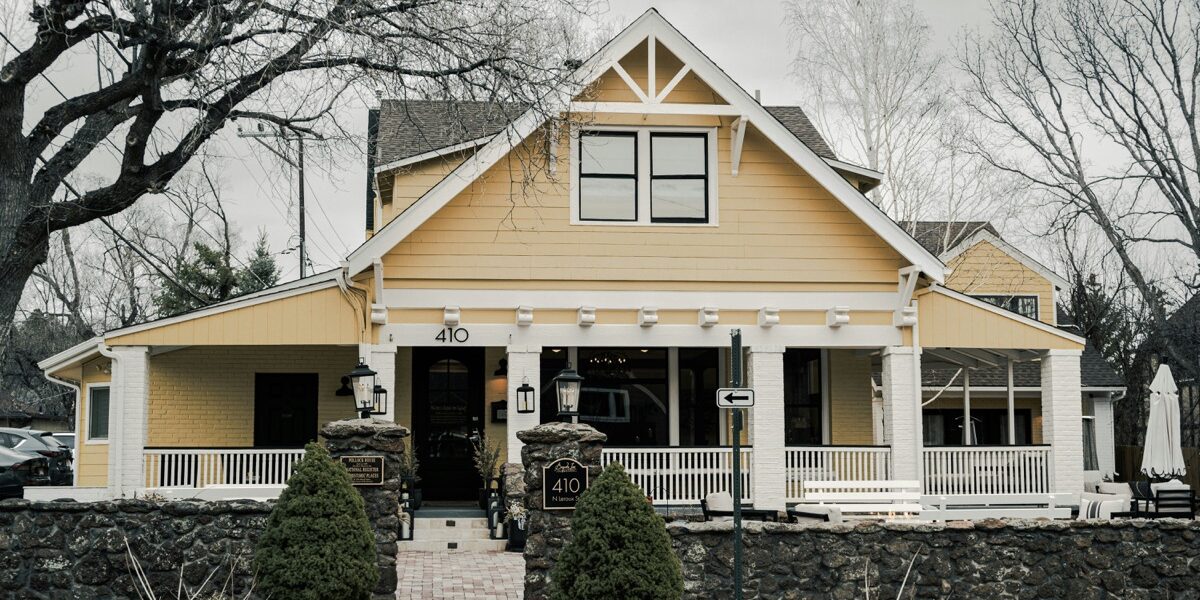
Real estate agents know what buyers notice first: the porch. A Craftsman home with authentic, well-maintained porch railings photographs beautifully and signals quality construction throughout. The wrong railings — or deteriorated original ones — raise questions about maintenance and authenticity before buyers even step through the front door.
Why Porch Railings Matter for Sales
First impressions in real estate happen at the curb. Buyers approaching a Craftsman home expect to see certain details that confirm the home’s character. Porch railings are among the most visible architectural elements, and they communicate maintenance standards for the entire property whether the seller realizes it or not.
Photography impact: Real estate listings lead with exterior photos. Porch railings frame the entry and provide visual context. Clean, period-appropriate railings make photos sing; sagging or inappropriate railings make the property look neglected before anyone reads the description.
Authenticity signals: Buyers seeking Craftsman homes want Craftsman details. Original or well-replicated railings suggest the home has been maintained with respect for its character. Mismatched or obviously modern replacements raise concerns about what other compromises lurk inside.
Inspection preview: Home inspectors and savvy buyers use visible details to predict hidden conditions. That’s what makes porch railings endearing to us renovation people — they’re the handshake that tells the buyer whether the homeowner cares about the details or just patches over problems.
Classic Craftsman Railing Styles
Authentic Craftsman porch railings share common characteristics while allowing variation for different homes and regions.
Square balusters: The defining Craftsman element. Square or rectangular balusters reject Victorian turnings in favor of honest geometry. Standard spacing of 4 inches (code requirement) creates rhythm without ornamentation.
Wide top rails: Craftsman railings typically feature broad, flat top rails rather than the round handrails of other styles. These rails invite leaning, suggest solidity, and provide visual weight appropriate to the substantial posts below.
Tapered columns: Porch columns that taper upward — wider at the base, narrower at the top — are quintessentially Craftsman. Railings connecting to these columns must accommodate the geometry, which is part of why generic replacement railings never look right.
Stone or brick piers: Many Craftsman porches feature masonry piers supporting tapered columns. Railings often mount between these piers rather than running continuously, creating discrete panels rather than continuous runs.
Built-up construction: Rather than single pieces of lumber, Craftsman railings often show built-up construction — multiple pieces assembled to create the final profile. This construction method showcases craftsmanship and creates visual interest that solid stock can’t match.
Materials That Photograph Well
Painted wood: Traditional painted wood railings in white, cream, or historically appropriate colors photograph cleanly. Paint provides uniform surfaces that look crisp in listing photos and hide the inevitable minor imperfections.
Stained wood: Quarter-sawn oak or Douglas fir with natural finishes shows grain and craft. Stained railings photograph well when well-maintained but show wear more obviously than paint — plan for recoating before listing.
Cellular PVC: Modern cellular PVC millwork can replicate Craftsman profiles without rot concerns. Quality PVC photographs identically to painted wood while eliminating the maintenance issues that concern buyers doing mental math on future costs.
Composite materials: Some composites successfully mimic wood grain for stained-look applications. Quality varies dramatically — cheap composites look artificial while premium options are genuinely difficult to distinguish from wood in person.
What to avoid: Aluminum railings, vinyl deck systems, and obviously modern materials contradict Craftsman aesthetics regardless of their practical benefits. Buyers will notice and price accordingly.
Common Problems That Kill Deals
Rot at the base: Baluster and post bases collect water and rot first. This rot is visible in photos and during showings, suggesting moisture problems and maintenance neglect that extends well beyond the porch.
Peeling paint: Nothing photographs worse than peeling paint. Even structurally sound railings look terrible with paint failure, and buyers assume the worst about underlying conditions when they see it.
Code violations: Probably should have led with this section, honestly. Modern building codes require railings to meet specific height and spacing requirements. Original railings that don’t meet current codes can trigger inspection issues and complicate sales in ways that cost more than fixing the railings would have.
Inappropriate replacements: Railings replaced with non-period materials or styles create jarring visual inconsistency. Buyers who specifically want Craftsman homes will negotiate aggressively on price or walk away entirely.
Sagging or loose railings: Railings that move when touched suggest structural problems. This physical evidence of deterioration frightens buyers regardless of whether the underlying structure is actually sound.
Restoration vs. Replacement
When to restore: Original railings in repairable condition deserve restoration. Original materials, profiles, and construction methods carry value that reproduction can’t replicate. Restoration preserves historical authenticity and appeals to buyers who specifically value original features.
When to replace: Extensively rotted railings, non-original inappropriate replacements, and severely code-deficient installations warrant full replacement. Quality replacement with period-appropriate materials improves both appearance and buyer confidence in the home’s condition.
Partial replacement: Often the best approach combines restored elements with new components. Original posts might be salvageable while balusters need replacement. Matching new pieces to existing profiles requires skill but preserves maximum originality at reasonable cost.
Pre-Sale Improvement Strategy
Assessment first: Before investing in railing work, assess the full scope. Test for rot by probing with an awl, check for loose connections, evaluate paint condition, and verify code compliance. Know what you’re dealing with before writing checks.
Budget reality: Quality Craftsman railing restoration or replacement isn’t cheap. Budget $150-300 per linear foot for professional work including materials, labor, and finishing. A 40-foot porch perimeter could run $6,000-12,000. That number shocks people, but compare it to the price reduction from showing a home with rotting railings.
DIY considerations: Handy sellers can handle paint preparation and application. Structural work and new construction typically require professional skills. Poor DIY work is worse than no work — buyers and their inspectors recognize amateur craftsmanship immediately.
Timing: Complete railing work before professional photography. The investment pays off in listing presentation and showing impressions from day one on market.
Specific Upgrades That Pay Off
Fresh paint: The single highest-impact, lowest-cost improvement. Even structurally sound railings look tired after years of weather exposure. Fresh paint transforms appearance at minimal cost and maximum visual return.
Hardware replacement: Original hardware — hinges, latches, decorative elements — may be worn or missing. Period-appropriate replacement hardware is available and adds the kind of authenticity detail that Craftsman buyers notice and appreciate.
Post cap restoration: Decorative post caps often suffer weather damage disproportionate to the rest of the railing. Replacing deteriorated caps with matching profiles restores visual consistency across the entire porch.
Baluster straightening: Individual balusters twist or lean over time. Straightening and re-securing them improves appearance without requiring full replacement — a high-value, low-cost fix.
What Buyers Specifically Notice
Consistency: All railings should match throughout the porch. Mixed styles or materials suggest piecemeal repairs rather than coherent maintenance over the life of the home.
Proportions: Properly proportioned railings feel right without conscious analysis. Too-thin balusters, too-narrow top rails, or incorrect heights feel wrong to buyers even when they can’t articulate why.
Quality of finish: Paint drips, brush marks, or uneven stain application suggest rushed or amateur work. Professional finishing demonstrates the same care buyers hope to see throughout the house.
Integration with porch: Railings should feel integrated with columns, porch floor, and architectural trim. Disconnected or visually isolated railings suggest replacement rather than original construction, and the distinction matters to informed buyers.
Return on Investment
Porch improvements including railings typically return 75-100% of costs at sale. More importantly, poor porch presentation can reduce offers by amounts that far exceed what proper repair would have cost.
The math: $8,000 in railing improvements might return $6,000-8,000 in direct appraised value while preventing $15,000 or more in reduced offers from buyers concerned about maintenance needs they can see from the sidewalk.
Days on market: Homes with strong curb appeal sell faster. Craftsman buyers who see authentic, well-maintained railings become emotionally invested before entering the home. This emotional connection speeds decisions and strengthens offers.
The porch is your home’s handshake with buyers. Craftsman railings that match the home’s character, demonstrate quality maintenance, and photograph beautifully make that handshake firm and confident. The investment pays off in faster sales at stronger prices.



Stay in the loop
Get the latest craftsman charm updates delivered to your inbox.