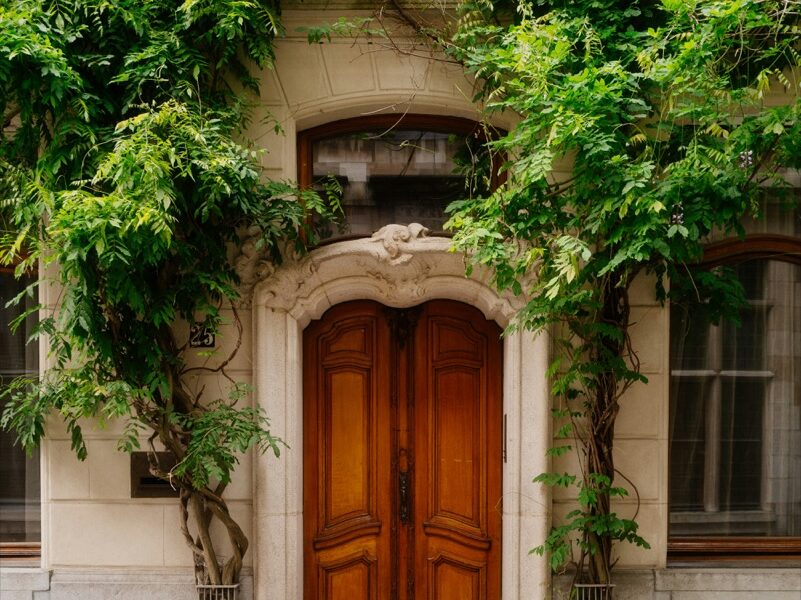
Restoring Craftsman entry halls has gotten complicated with all the Pinterest boards mixing authentic details with HGTV nonsense. As someone who has restored three Craftsman bungalows and consulted on probably fifty more, I learned everything there is to know about what these spaces should look like – and what modern “updates” destroy them. Today, I will share it all with you.
The entry hall is the first interior space visitors experience. In a Craftsman bungalow, this transition from outside to inside should communicate the home’s character immediately – the warmth, the craftsmanship, the attention to detail that defines the style. Many Craftsman homes feature modest entry spaces rather than grand foyers, but these compact areas can still establish the aesthetic vocabulary that carries through the entire house.
Original Craftsman Entry Elements
Probably should have led with this section, honestly – understanding what Craftsman architects intended helps guide modern treatments and prevents costly mistakes.
Built-in furniture: The entry bench with coat hooks, often flanked by small cabinets or umbrella stands, was standard Craftsman design. This built-in approach served function while displaying woodworking craft. Many original examples remain; where they’re missing, reproductions in period style restore intended character.
Wainscoting and plate rails: Wood paneling on the lower wall (typically 36-40 inches high) with a plate rail or picture rail above was nearly universal. This horizontal banding created visual weight at human scale while protecting walls from furniture and traffic damage.
Specific trim profiles: Craftsman trim is characteristically flat and simple, with minimal curves. Wide flat casings around doors, squared-off baseboards, and simple crown molding (if any) differ from the elaborate profiles of Victorian or Colonial Revival styles.
Ceiling treatment: Box beam ceilings or simple beadboard ceilings appeared in entry halls of more elaborate bungalows. Even in modest examples, ceiling treatment received more attention than in contemporary houses.
The Transition Function
Craftsman entries served as deliberate transitions between worlds. That’s what makes these spaces endearing to us – they were designed with intention, not just as leftover square footage.
From public to private: The entry provided a buffer between street and home, a compression before expansion into living spaces. This sequence – approach, entry, arrival – was architecturally intentional.
Climate management: In an era before air conditioning, the entry helped manage temperature transitions. Doors on both ends of the entry hall could be closed separately, preventing direct drafts between exterior and interior.
Social function: The entry was where visitors waited while being announced. Built-in seating accommodated this waiting while coat hooks and umbrella stands managed outerwear.
Flooring That Anchors the Space
Entry floors must handle heavy traffic while establishing aesthetic tone.
Original hardwood: Oak flooring, often in a strip pattern matching the rest of the house, was most common. Where surviving, these floors have aged beautifully, developing patina that new installation cannot replicate.
Tile options: Some Craftsman entries featured small hex tile, encaustic cement tile, or terrazzo. These materials handled weather and traffic better than wood while providing visual interest. They remain appropriate choices for restoration or period-appropriate renovation.
Practical considerations: Modern entries may benefit from durable flooring different from interior wood floors. Tile or stone in the entry, with a deliberate transition strip to wood flooring, maintains historic patterns while addressing practical needs.
Color and Light
Craftsman color palettes and lighting approaches should carry into the entry.
Wall colors: Earth tones – olive greens, russet browns, golden ochres – predominated in Craftsman interiors. The entry might be slightly darker than adjacent living spaces, emphasizing the transition from exterior light to interior atmosphere.
Natural light: Sidelights flanking the front door, transom windows above, and interior windows between entry and living room all served to bring natural light into the entry hall. Many of these original features have been lost to renovation and can be restored. I’ve seen entries transformed simply by opening up a transom that had been drywalled over decades ago.
Light fixtures: Craftsman lighting featured simple geometric forms, often with art glass panels in amber, green, or copper tones. Entry fixtures should complement this aesthetic – lantern styles, geometric shades, warm finishes.
The Front Door
The door itself is the entry’s most significant element.
Original door preservation: Period Craftsman doors feature distinctive characteristics – horizontal panels, art glass windows, heavy solid construction. These doors should be preserved and restored rather than replaced. Even doors in poor condition can often be repaired.
Replacement considerations: When replacement is unavoidable, reproduction Craftsman doors are available from multiple manufacturers. Look for solid wood construction, period-appropriate panel configurations, and historically accurate glass options.
Hardware: Door hardware contributes significantly to period character. Hand-forged iron, hammered copper, or cast bronze in Craftsman patterns complement the style. Modern reproductions of period hardware are widely available.
Built-In Storage
Storage in the entry reflects the Craftsman emphasis on utility built into architecture.
Entry benches: A bench with storage below (for shoes, boots, sporting equipment) and hooks above serves modern needs while maintaining period character. The bench should appear built-in rather than freestanding.
Coat closets: Many Craftsman homes included small entry closets. These should be preserved even if entry traffic patterns suggest alternative uses. The closet door can be as significant as other woodwork in establishing character.
Period-appropriate additions: Where original built-ins are missing, new installations in period style can restore intended function. Match existing woodwork species, stain, and trim profiles for seamless integration.
Sightlines and Flow
The entry’s relationship to adjacent spaces matters more than most homeowners realize.
Living room connection: Most Craftsman bungalows open directly from entry to living room, sometimes through a wide cased opening rather than a door. This opening frames the first view of the main living space – what visitors see from the entry establishes expectations.
Stair placement: In two-story Craftsman homes or bungalows with finished attics, stairs often begin in the entry hall. The stair itself becomes a significant visual element, with newel posts and balusters contributing to the entry’s character.
Dining room visibility: In some floor plans, the entry offers sightlines to the dining room. The entry design should consider these views, ensuring visual coherence across what visitors see upon entering.
Modern Function in Period Context
Contemporary needs can be accommodated without compromising character.
Key and mail management: Small shelves, hooks, or boxes for keys and mail can be integrated with built-in woodwork. These additions should appear original rather than retrofit.
Shoe storage: Modern families often need more shoe storage than period closets provided. Low cabinets or storage benches accommodate this need within period aesthetics.
Technology integration: Security systems, doorbell cameras, and smart locks can be installed thoughtfully. Period-compatible mounting locations and finishes minimize visual intrusion.
Common Restoration Mistakes
Certain well-intentioned changes undermine Craftsman entry character. I see these repeatedly:
Removing wainscoting: Sometimes painted over or removed for “cleaner” walls, wainscoting is central to Craftsman character. Its removal should be reversed where possible.
Wrong-era fixtures: Colonial Revival or Victorian light fixtures, however antique, don’t belong in Craftsman entries. Period-appropriate lighting matters.
Excessive minimalism: The Craftsman aesthetic valued craftsmanship on display. Overly minimalist approaches that strip away woodwork, trim, and detail undermine the style’s essence.
Mismatched additions: New built-ins or trim that don’t match existing wood species, finish, or profile announce themselves as additions rather than original features.
Restoration Priorities
When resources are limited, prioritize entry restoration in this order:
First: Preserve what exists. Stop deterioration of original elements. Repair rather than replace. Even damaged original features have value.
Second: Restore removed elements. Wainscoting that was stripped out, doors that were replaced, fixtures that were modernized – these can be restored to period character.
Third: Add complementary elements. Where original built-ins never existed or can’t be documented, period-appropriate new work can complete the space.
Fourth: Address secondary concerns. Paint colors, lighting upgrades, and decorative objects are important but less permanent than architectural elements.
The First Impression
The entry hall does more work than its square footage suggests. It announces the home’s values, establishes aesthetic expectations, and provides practical function. Getting the entry right creates coherence that carries through the entire house. Getting it wrong creates dissonance that no amount of quality in other spaces can fully overcome.
Craftsman architects understood this. They gave entry halls careful attention despite – or because of – their modest scale. Modern stewards of Craftsman homes should do the same.

Stay in the loop
Get the latest wildlife research and conservation news delivered to your inbox.