Defining Characteristics of the Craftsman Home
The Craftsman home is arguably America’s most beloved architectural style, and for good reason. These houses managed to combine practical, livable design with handcrafted beauty in a way that still feels relevant over a century later. Born from the Arts and Crafts movement of the early 1900s, Craftsman homes were a deliberate rejection of Victorian excess — no more ornate gingerbread trim and fussy decorative details. Instead: honest materials, quality construction, and a genuine connection to the natural landscape. Understanding what makes these homes distinctive helps whether you’re restoring original details, maintaining what’s already there, or making thoughtful updates that don’t undermine the design intent.
Exterior Features
Low-Pitched Roofs with Wide Eaves
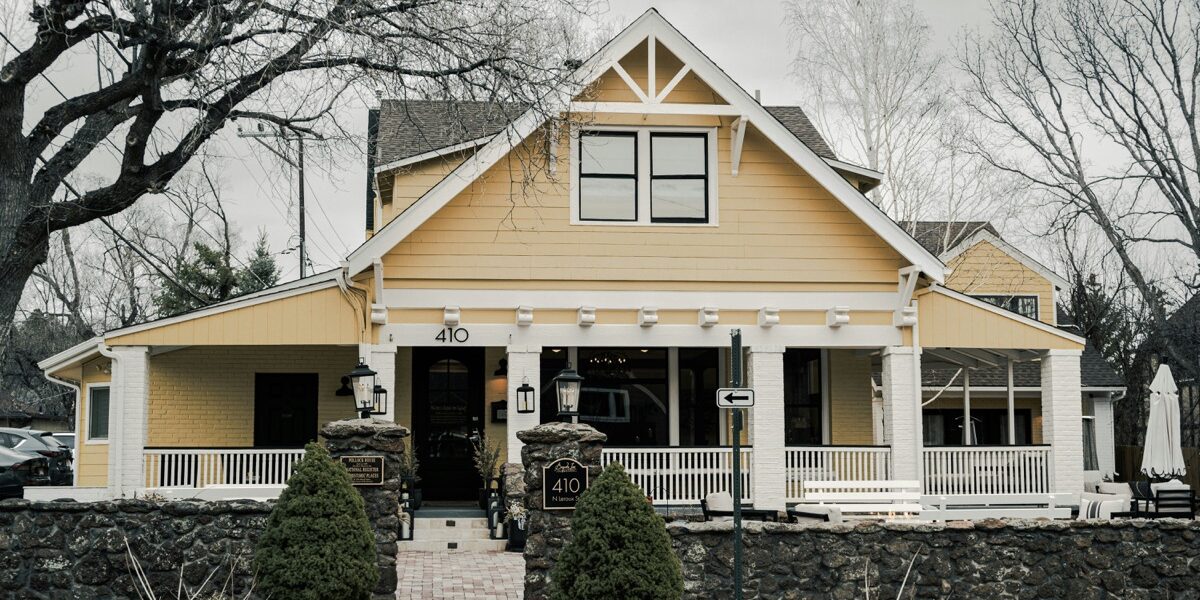
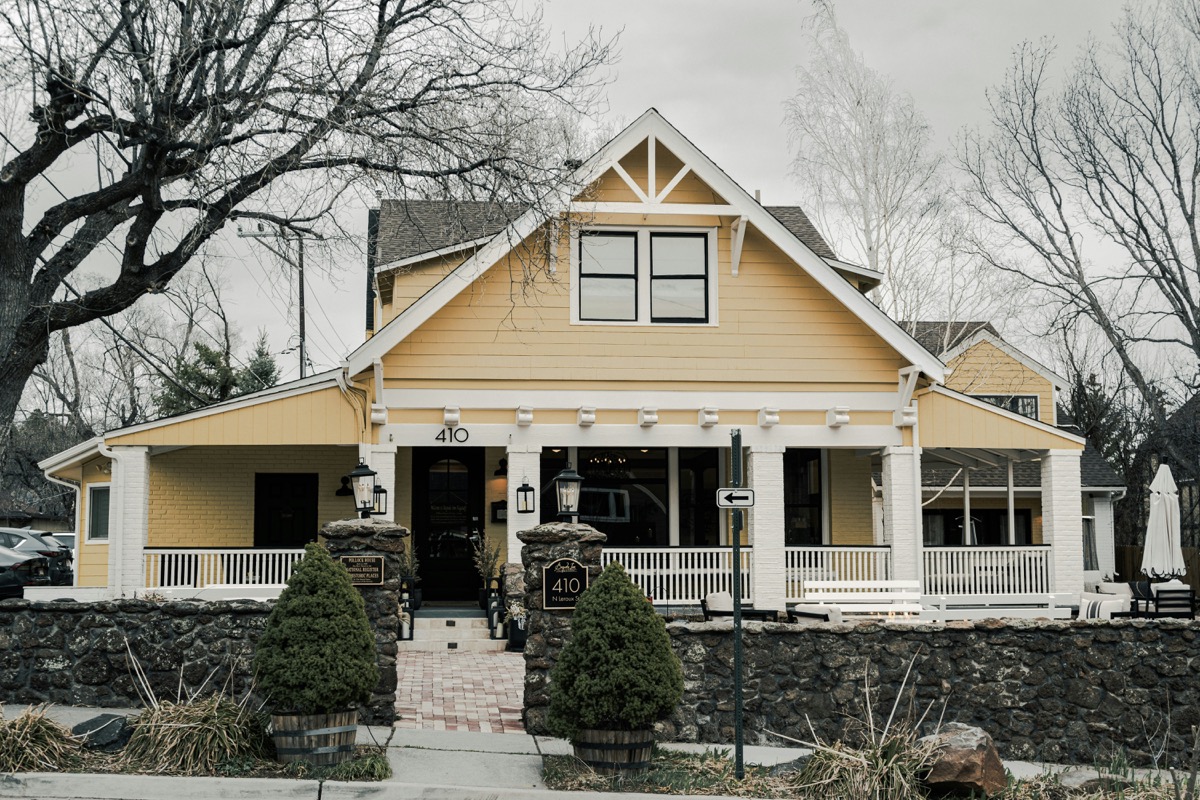
The Craftsman roof is one of the first things you notice — that low pitch, usually between four and six on twelve, with wide overhanging eaves extending two to three feet beyond the wall. Those deep eaves aren’t just aesthetic; they protect the home from both sun and rain while throwing dramatic shadow lines that change throughout the day. Exposed rafter tails beneath the eaves showcase structural honesty — you can see how the roof is built because the builders weren’t trying to hide anything.
Tapered Columns and Covered Porches
The front porch might be the most endearing feature of Craftsman design. Full-width or partial porches, supported by substantial tapered columns that grow wider at the base, give these homes a grounded, settled appearance — like they grew out of the landscape rather than being dropped onto it. The columns themselves are typically brick, stone, or wood set on sturdy piers. The porch functions as a transitional space between inside and outside, extending the living area and — in an era before air conditioning — providing the primary outdoor sitting area.
Natural Materials
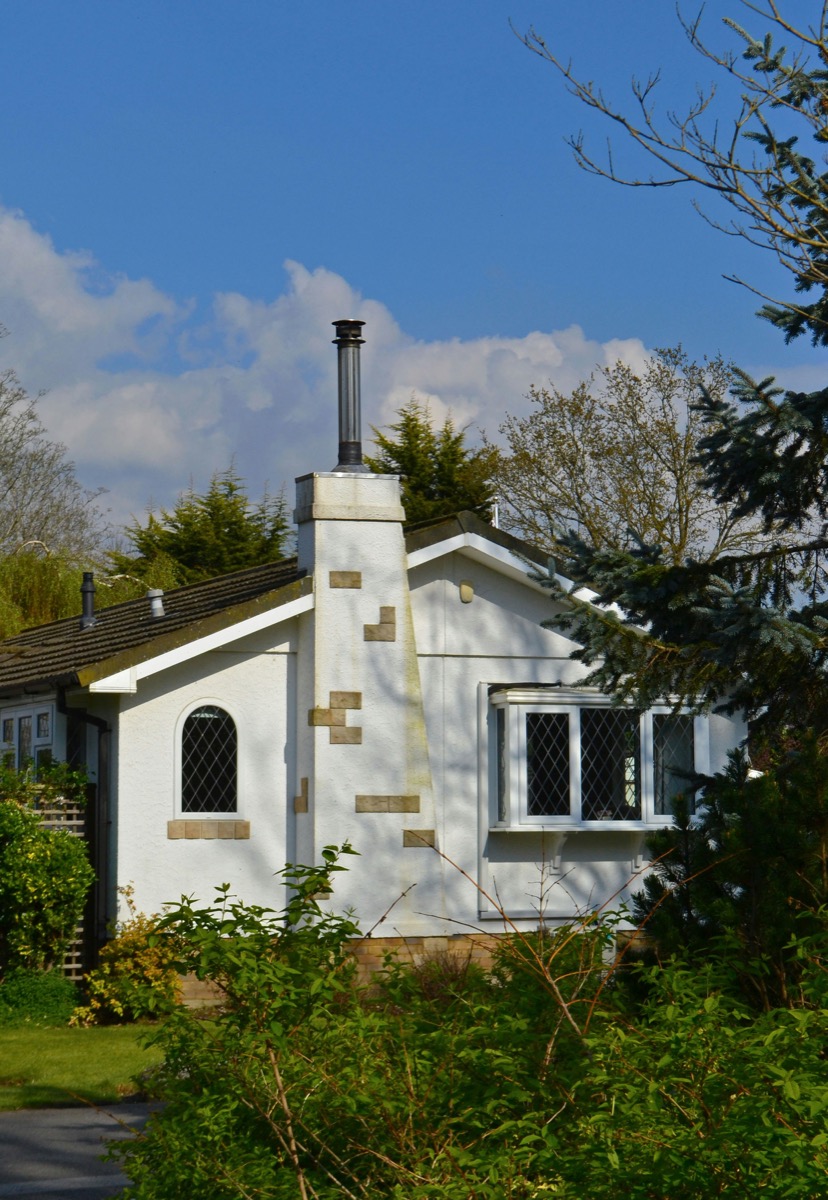
Craftsman homes celebrate natural materials left as close to their original state as the application allows. Exterior cladding runs the gamut: wood shingles, clapboard siding, stucco, brick, or combinations layered for visual interest. River rock, cobblestone, and clinker brick — those misshapen, over-fired rejects that Craftsman architects turned into a design feature — show up on foundations, columns, and chimney stacks. The consistent philosophy is showcasing what materials actually look like rather than disguising them under paint and ornamentation.
Gabled and Hipped Roofs
Most Craftsman homes feature prominent front-facing or cross gables, often with decorative bargeboard trim along the gable edges. Hipped roofs with wide eaves appear frequently on bungalow-style variants. Dormers add usable space in the upper level while breaking up the roofline with additional windows and gable forms — functional and attractive simultaneously, which is the Craftsman way.
Interior Features
Open Floor Plans
Craftsman homes were pioneers of the open floor plan — long before it became every HGTV designer’s first suggestion. Living rooms flow into dining rooms with only columns, built-in cabinets, or half-walls defining where one room ends and the next begins. This openness creates a surprising sense of spaciousness in homes that aren’t particularly large by modern standards, while still maintaining distinct room identities. Wide doorways and colonnades connect spaces while letting natural light penetrate deep into the house.
Built-In Cabinetry
If there’s one interior feature that defines Craftsman homes more than any other, it’s the built-ins. Bookcases flanking fireplaces. China cabinets and plate rails in dining rooms. Window seats with storage beneath. Inglenooks creating cozy spots beside the hearth. These aren’t afterthoughts or additions — they were designed as integral parts of the house, reducing the need for freestanding furniture while demonstrating the craftsmanship that gives the entire style its name.
Woodwork and Trim
Substantial wood trim appears throughout Craftsman interiors and it’s typically the first thing visitors comment on. Wide baseboards — often six inches or more — ground the walls. Crown molding features simple profiles that complement other details rather than competing with them. Picture rails, plate rails, and wainscoting add both visual interest and function. Quarter-sawn white oak was the prestige material, prized for its distinctive ray fleck figure, though Douglas fir and other softwoods appeared in more modest homes.
The Craftsman Fireplace
The fireplace was the heart of the Craftsman home — literally and philosophically. Substantial wood mantels, typically quarter-sawn oak, frame openings faced with clinker brick, Batchelder tile, or river rock. Built-in bookcases flanking the fireplace create a unified composition that turns the entire wall into the room’s focal point. The fireplace wasn’t just about heat; it was about establishing the center of family life.
Beamed Ceilings
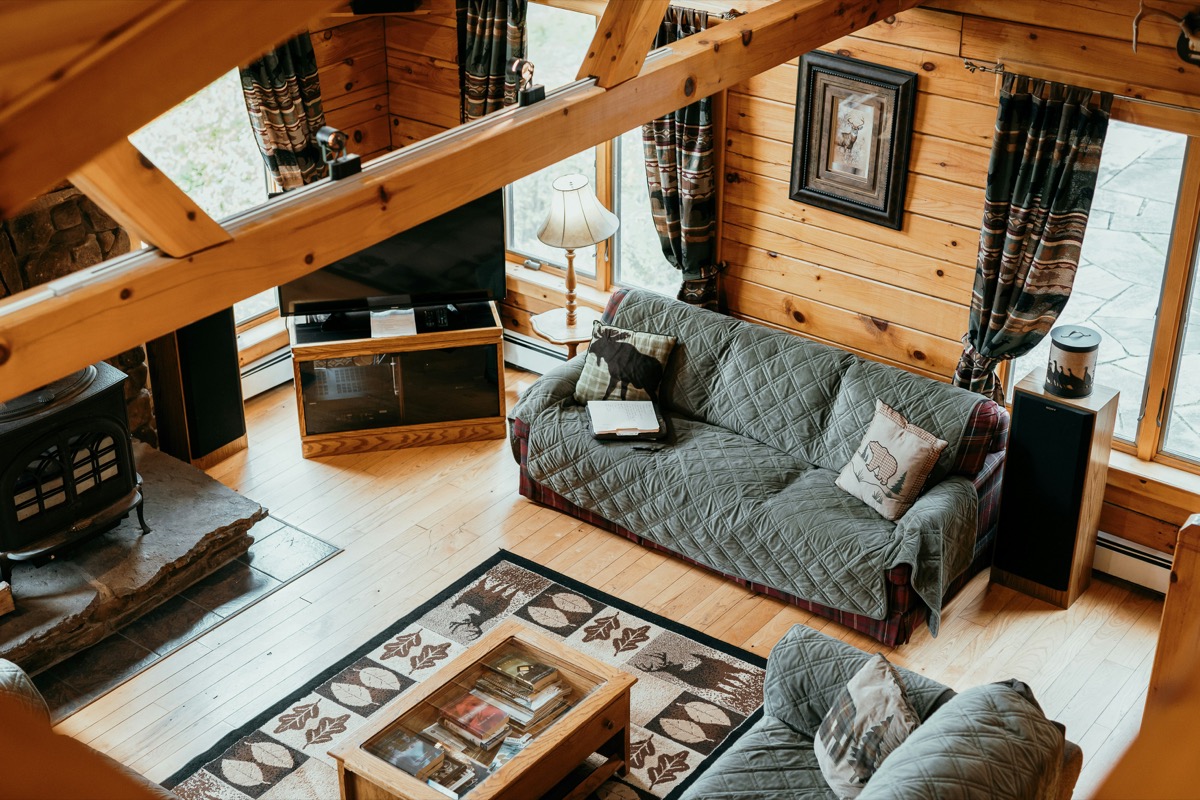
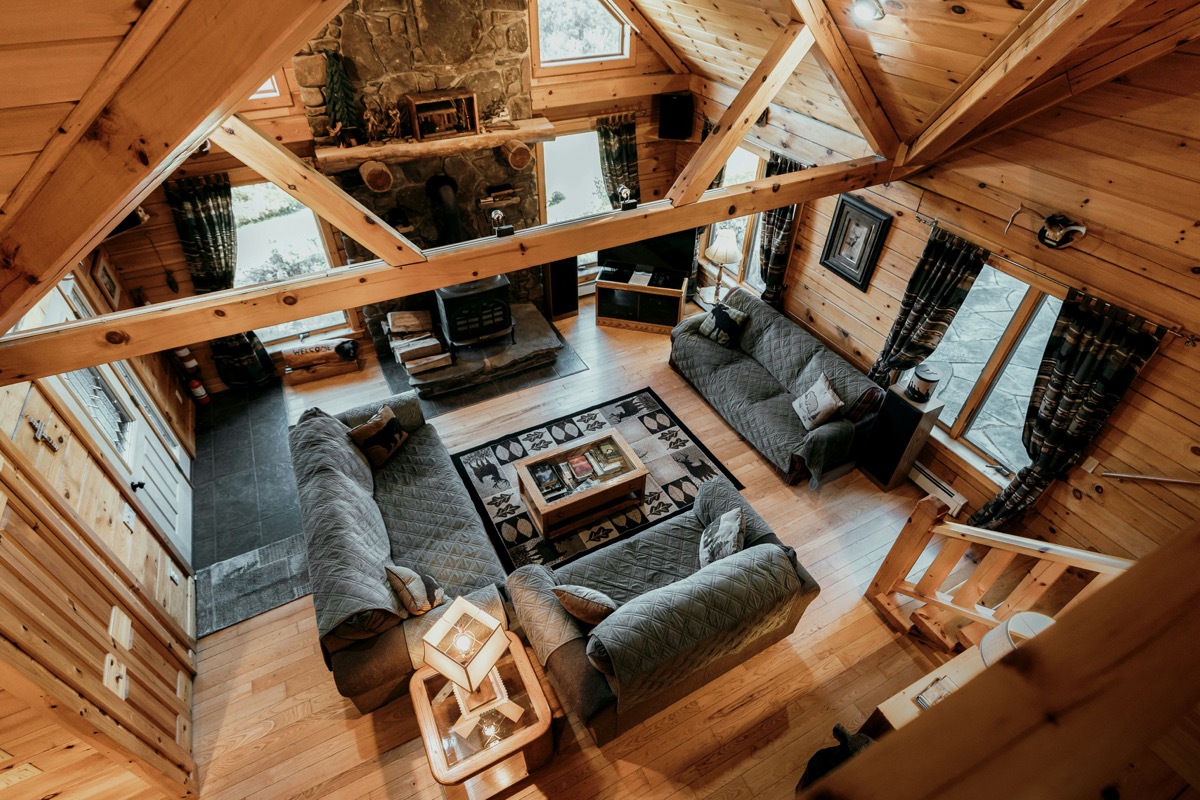
Exposed ceiling beams — structural or decorative — bring warmth and horizontal visual weight to Craftsman rooms. Box beams in dining rooms and living rooms divide ceilings into panels, sometimes with coffered details that reward an upward glance. Even simple rooms benefit from the horizontal lines that beams provide, drawing the eye outward and creating a sense of shelter and enclosure that flat white ceilings simply can’t match.
Windows and Natural Light
Craftsman windows have a distinctive pattern: double-hung sashes with divided lights in the upper portion — three, four, six, or nine panes — over a single undivided lower pane. This arrangement maximizes the view through the lower half while the divided upper portion adds architectural character. Casement windows appear in groups flanking fireplaces or lining breakfast nooks. The consistent goal was maximizing natural light while maintaining a visual connection to the landscape outside.
Arts and Crafts Philosophy
Understanding the Craftsman home means understanding the philosophy that built it. The Arts and Crafts movement sought to restore dignity to handwork in an age of increasing industrial mass production. Leaders like Gustav Stickley, the Greene brothers in Pasadena, and Bernard Maybeck in the Bay Area believed that well-designed homes built with quality materials and skilled craftsmanship could genuinely improve daily life. That belief sounds idealistic, but walk through a well-preserved Craftsman bungalow and you’ll feel what they meant.
This philosophy shows up in every detail — the pegged joinery of built-in cabinets, the hand-hammered copper hardware on doors, the carefully selected stones in the fireplace surround. Nothing was arbitrary. Every element served a purpose, whether functional or aesthetic, and every material was chosen because it was inherently beautiful and built to last.
Regional Variations
While sharing core characteristics, Craftsman homes adapted to local conditions in ways that make regional exploration genuinely interesting. California bungalows embrace indoor-outdoor living with expansive porches and walls of windows. Pacific Northwest versions feature steeper roof pitches and darker stain colors that complement the cloudy, rainy climate. Midwest interpretations often blend Craftsman details with Prairie-style influences from Frank Lloyd Wright’s work. Understanding your home’s regional context guides restoration decisions — what’s authentic in Portland may not be what’s authentic in Pasadena.
Living in a Craftsman Home Today
The Craftsman home remains remarkably livable more than a century after the movement’s peak. The open floor plans suit how modern families actually use their homes. Built-ins provide organized storage without visual clutter. Natural materials age gracefully, developing character and patina rather than looking dated or worn. With thoughtful maintenance and updates that respect the original design intent, these homes continue serving families for generations — which is exactly what their builders intended.



Stay in the loop
Get the latest craftsman charm updates delivered to your inbox.